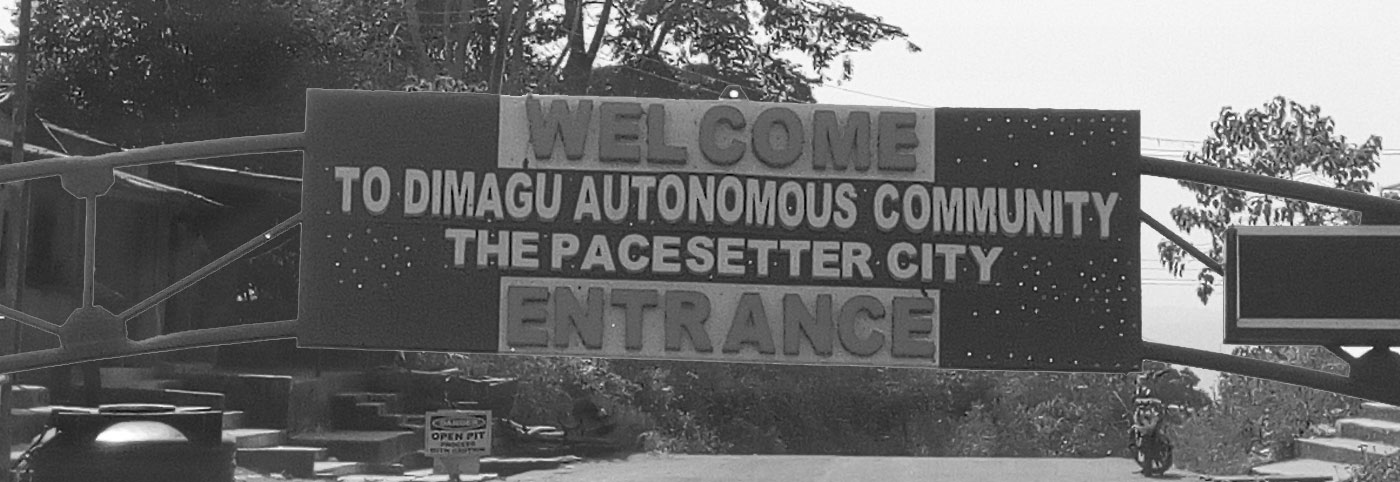
About Dimagu autonomous communities
Autonomous communities
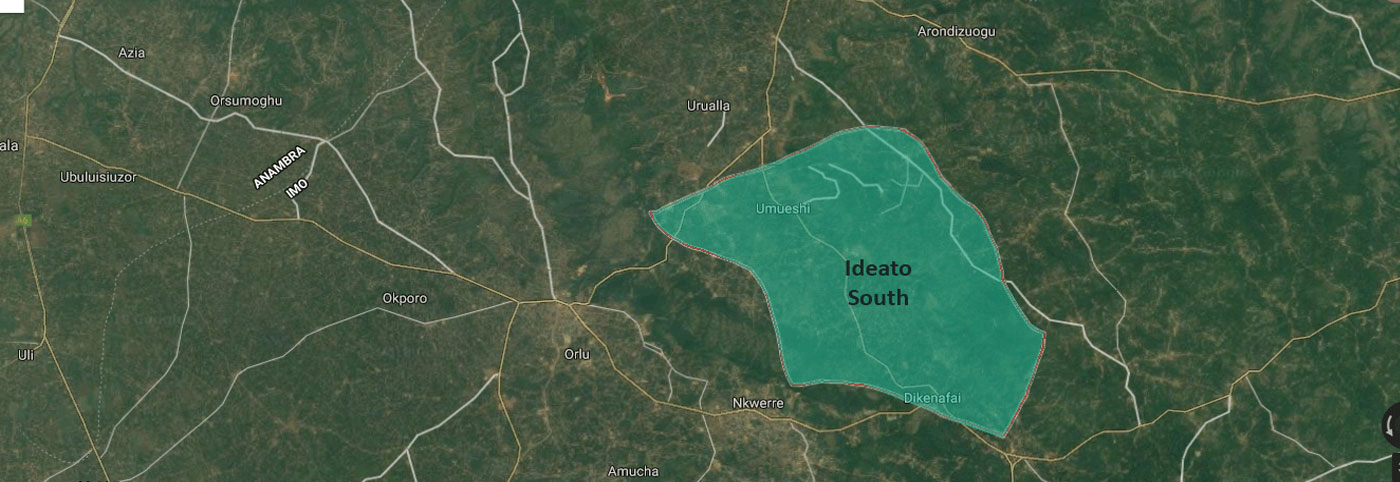
There are twenty-three (23) autonomous communities in Ideato-South LGA. These are Nneato Ogwugwu, Isiekenesi, Dikenafai, Dimagu, Okohia and Umuaghobe autonomous communities. Others are Awalla, Umuakam, Umuago, Umuobom Umuezedike Duruahurunwa, Umuchoke, Umumaisiaku, Amanator, Umueshi, Ntueke, Obioha, Umuchima, Ugbelle, Umulewe and Ogwume, Umuezealla-Ogboko and Ogboko autonomous community[5]
Culture
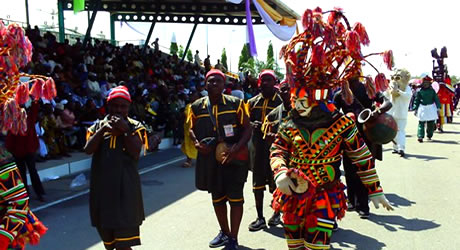
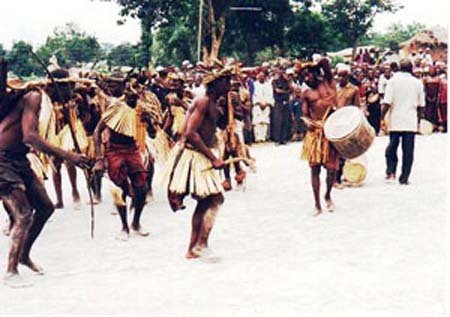
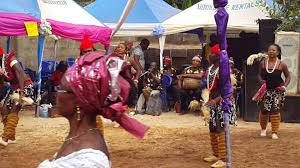
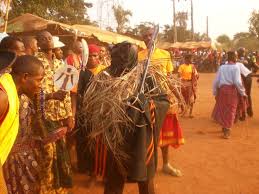
Part of the culture of the state in the Igbo traditional kindness to visitors, which begins with the offering of the kolanuts to the visitor, is enriched in the communities of Ideato-South. The kolanut is indicating that the visitor is very much welcomed. The ritual of the offering of kolanut is inspired with the giving in prayers and blessing or lobby to the supreme God and other deities, for the protection of the visitor and the host. This seems to be a custom to the people of this LGA in any traditional ceremony the presentation of African salad (Abacha). The Okonko festival of Umuezealla-Ogboko is very rich and unique. There are also several social titles which feature outstandingly throughout Ideato-South. The chieftaincy titles are very common and highly regarded. They include: Eze (king), Okenze, Nze, Ozo, Ichie, Durunze etc.
Costume
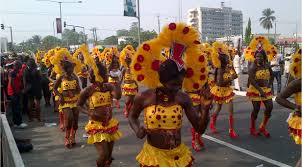
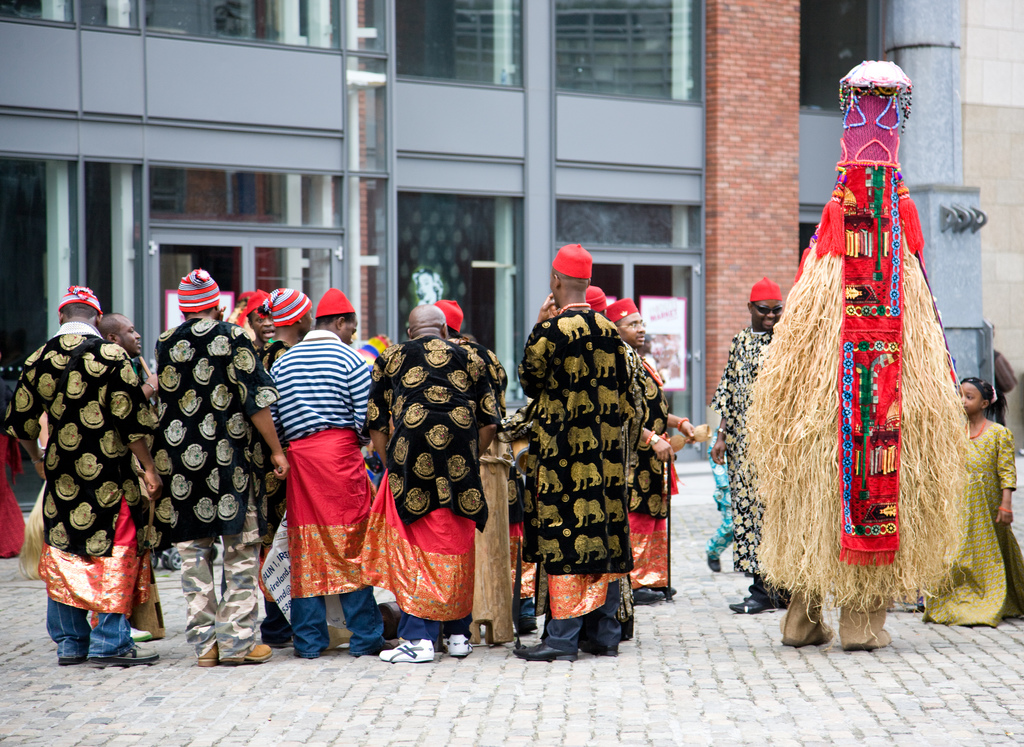
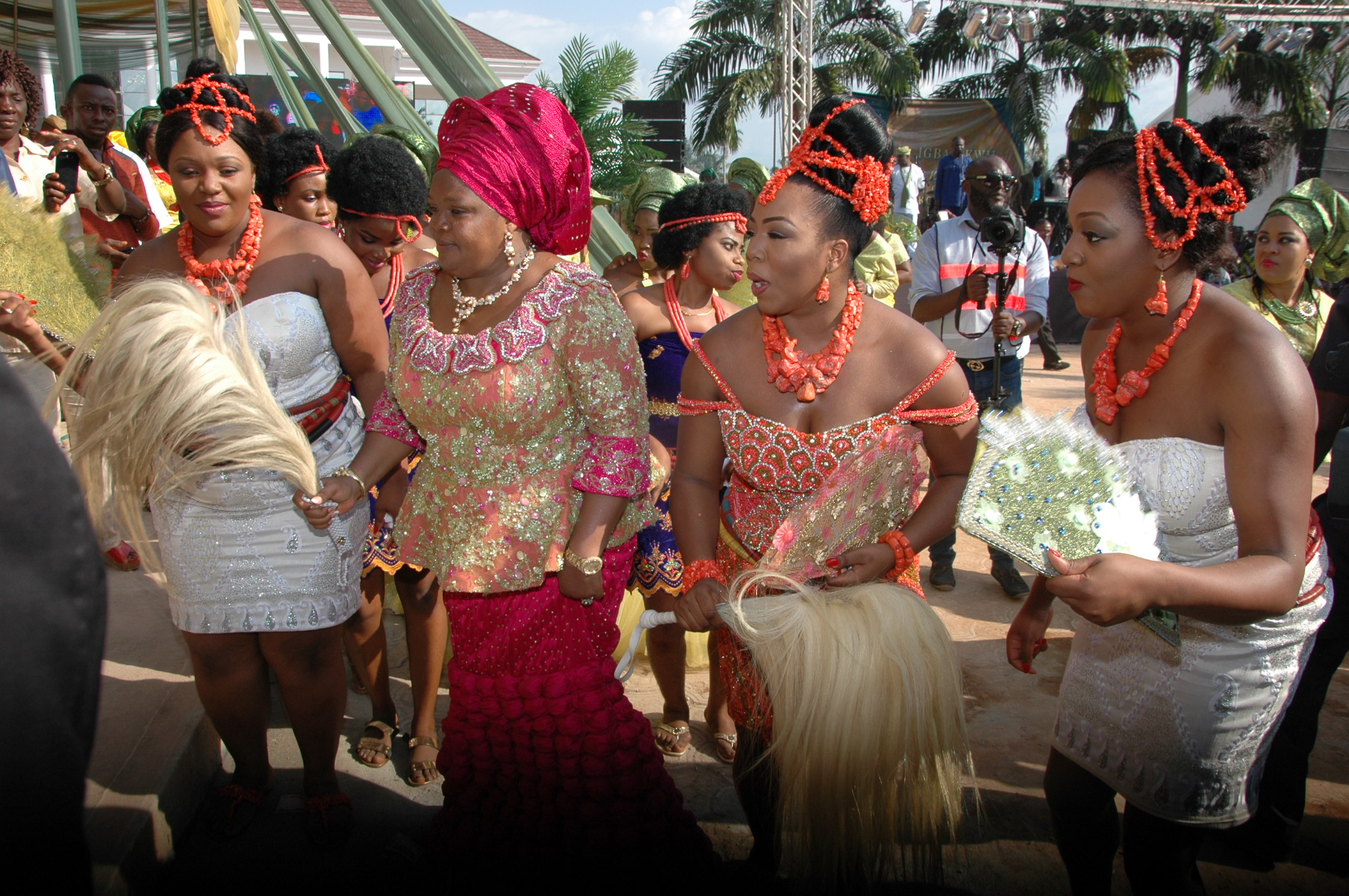
They are also known for their well-dressed traditional wear, like many other communities and cities across Igboland. The traditional attire for the men is an overflowing jumper or a long-sleeved shirt worn over the George wrapper, which is tied around the waist, curving down to the ankles. This dress is matched with a cap and a walking stick, which aids as an instrument of support and defense. The traditional wear for the women is a blouse, worn over a loin cloth. This female attire goes with a head-tie ear rings and necklaces or traditional necklaces. Arts and Craft: traditional artist thrive in this municipal rural communities. Works of art produced in the area comprises, carved doors, walking sticks of different designs, sculptures, flutes, wooden mortars and pestles, gongs, and the famous talking drums. Metal works and various types of productions are locally fashioned.
Beliefs
There is freedom of worship in Imo state, and Nigeria as a whole. Religion occupies a central place in the heart of the people. The people are mostly Christians of different denominations.
Ideato-South is becoming the intellectual and political Mecca of Igbo land and indeed Nigeria. Due to the fact that most of their sons and daughters have become engineers, doctors, administrators, barristers, accountants, information technologists etc. Many are based in Europe, North America, South America, Asia, and other parts of the world in search of knowledge and wealth.
Agriculture and Forestry
The Ideato-South depends mainly on agriculture and commerce and the main occupation of the people is farming and trading.[5] Most of their cash crops are taken to the market depending on the market that falls when they intend to sell their farm produce (Eke, Orie, Afo and Nkwo). Their cash crops include oil palm, raffia palm, groundnut, melon, cotton, cocoa, rubber, maize, etc. Food crops such as yam, cassava; cocoyam, breadfruit, and three-leaf yam are also produced in large quantities. The location of this L.G.A within the tropical rainforest gives it the ecological basis for production of a wide range of tropical agriculture crops with widespread potentialities for industrial convention..